Residues first
Prioritize waste and residue streams from established forestry and processing activity.
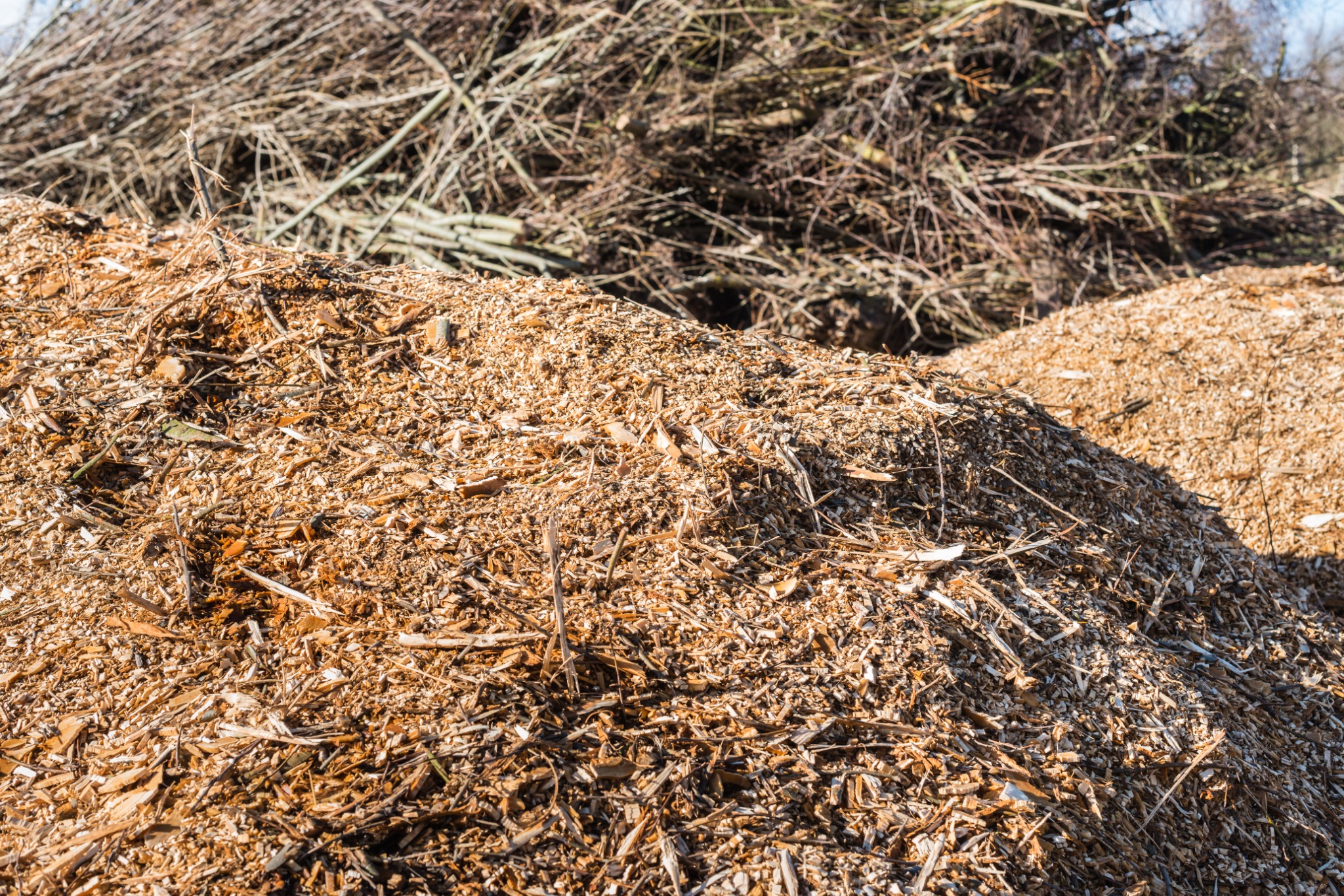
SBC's sustainability strategy is built around residues-first sourcing, traceability, independent verification, conservative carbon accounting and transparent governance.
SBC prioritizes sawmill residues and waste wood streams already produced by existing forestry and processing activity. The sustainability case depends on documented origin, legal sourcing, certification alignment and strong controls against land-use conversion.
Prioritize waste and residue streams from established forestry and processing activity.
Maintain strong controls against land-use conversion and high-risk sourcing.
Prioritize PEFC / FSC pathways where applicable and commercially practical.
Use supplier geolocation, legality checks and documented chain-of-custody controls.
Industrial biocarbon supply must be credible under tightening European sustainability, traceability and deforestation rules. SBC’s approach is to build documentation and controls into sourcing, production and customer qualification from the outset.
Renewable Energy Directive sustainability logic places emphasis on biomass origin, greenhouse-gas evidence and responsible sourcing controls. SBC’s project framework is designed to support auditable feedstock records, conservative carbon accounting and customer due diligence.
The EU Deforestation Regulation raises expectations around deforestation-free supply chains, geolocation evidence, legality checks and risk assessment for wood and relevant derived products. SBC prioritizes residue streams with documented origin and supplier controls.
Claims should be supported by records rather than broad sustainability language: supplier documentation, residue classification, chain-of-custody controls, testing data, logistics assumptions and customer-specific reporting.
Biocarbon claims must be grounded in evidence: feedstock origin, conversion data, transport assumptions, product fate and conservative lifecycle boundaries.
Measure emissions from feedstock sourcing, preparation, production, transport and use-case assumptions.
Maintain records that support customer due diligence, certification and audit requirements.
Use careful sustainability language that can be supported by the underlying data and project stage.
SBC's sustainability framework evolves with project development, customer requirements, certification pathways and regulatory expectations.
For commercial, feedstock, logistics, investment or strategic partnership enquiries, contact the team directly.
Go to contact →